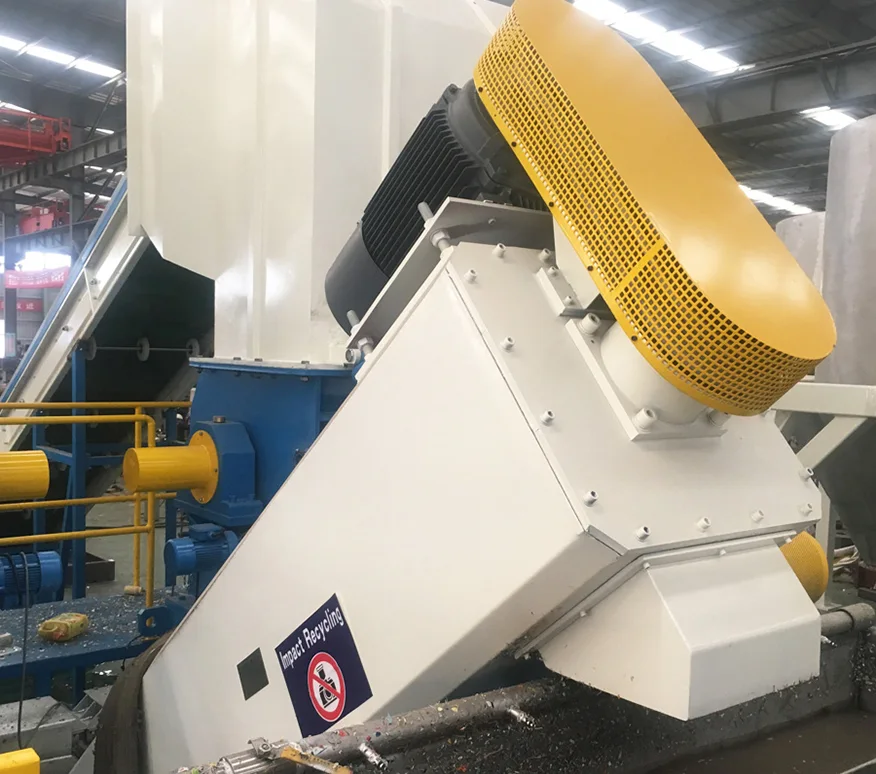

Assess a film pelletizing proposal across an agreed filtration cycle, not only during a short run with a fresh screen. Before a trial, define the feed batch, filter arrangement, intervention procedure and accepted pellet checks. Compare saleable or otherwise accepted output over the whole agreed test window, with stops and rejected material visible.
Jiangsu ASG Packaging Machinery Group describes a two-stage pelletizing line for PP/PE film regrind from washing. Its catalogue places pre-filtering in the first extruder and fine filtering in the second. That identifies a process arrangement to discuss; it does not specify the filter selection or screen-change performance for your waste stream.
Manufacturer source: ASG PP/PE film regrind pelletizing line
Use a representative batch and retain reference samples
Record the film origin, known polymer composition, printing, residual contamination and preparation before extrusion. Keep representative input samples and identify the batch supplied for the trial. If cleaner material replaces the agreed feed, document the substitution and which purchasing questions remain unanswered.
Ask the supplier to confirm the receiving conditions for that batch. Moisture, material form and feeding arrangements belong in the agreed trial brief. This article concerns filtration assessment; it does not replace the separate review of washing, dewatering and feed preparation.
Write down the filter configuration being tested
Request a diagram identifying each filtration position and the proposed equipment at that position. Ask for the screen specification, support arrangement and the basis for selection against the input sample and intended pellet use. Have the supplier explain any alternative configurations separately.
List the instruments and records actually available during the trial. Ask how operators will decide that intervention is required, which approved limits apply and who authorizes the procedure. Do not invent a pressure limit, filtration rating or operating interval from a photograph or the word automatic.
Observe intervention and the return to accepted output
Agree whether the trial will demonstrate a representative screen intervention. If it will, request the supplier’s approved operating and safety procedure, including the responsibilities of trained personnel. A buyer’s checklist must not become an instruction to open hot or pressurized equipment.
Record what happens to feeding, extrusion and pellet collection during the demonstrated event. Mark the start and end of any interruption, diverted output and the point when the agreed pellet checks are met again. If the trial does not include intervention, report that part as untested rather than assuming uninterrupted production.
Keep output and quality on the same timeline
Agree sampling points before intervention and after the return to the accepted operating condition. Label samples with their time and trial stage. Define the pellet checks needed for the intended next process and who assesses them; appearance alone should not silently approve an untested end use.
For the full test window, request input mass, collected pellet mass, accepted pellet mass, diverted material and recorded downtime on a consistent basis. Ask which start-up, screen-changing and cleaning periods are included. A momentary extrusion rate and accepted output over the complete trial answer different purchasing questions.
Make the quotation carry the trial conditions
- Identify the tested feed batch, its preparation and any substitutions.
- Specify the proposed filtration positions, screen arrangement and items supplied separately.
- State the intervention method demonstrated, operator responsibilities and any untested conditions.
- Attach timed samples, agreed pellet acceptance checks and the full-window output record.
- List consumables, access, spare parts and maintenance information still required before selection.
Send ASG your feed samples, intended pellet application and the proposed trial record. Request a configuration-specific response with unresolved items stated. This supports a comparison of the proposed line under known conditions without turning a catalogue description into a guarantee for every film waste stream.
Review PP/PE film regrind pelletizing equipment
Review film washing and feed preparation questions