

Test the cap puller on the closures that actually come back to your plant. For a 5 gallon water filling line, agree on three observable results before comparing bids: which returns the machine accepts, what condition the jug must be in when it reaches the washer, and where every removed closure or loose piece goes. A video of a clean new jug being opened answers only part of the question.
Jiangsu ASG Packaging Machinery Group lists an automatic cap puller among the configurable items for its TXG 3- and 5-gallon water line. The same catalogue entry lists an internal and external barrel scrubber, a cap elevator and a heat shrinker. This is a useful distinction for a buyer: removing a used cap from a returned jug and feeding a new cap to the filling line are two separate duties. Ask for each duty to be named in the offer. The 5-gallon water filling machine guide is a starting point for specifying the rest of the line.
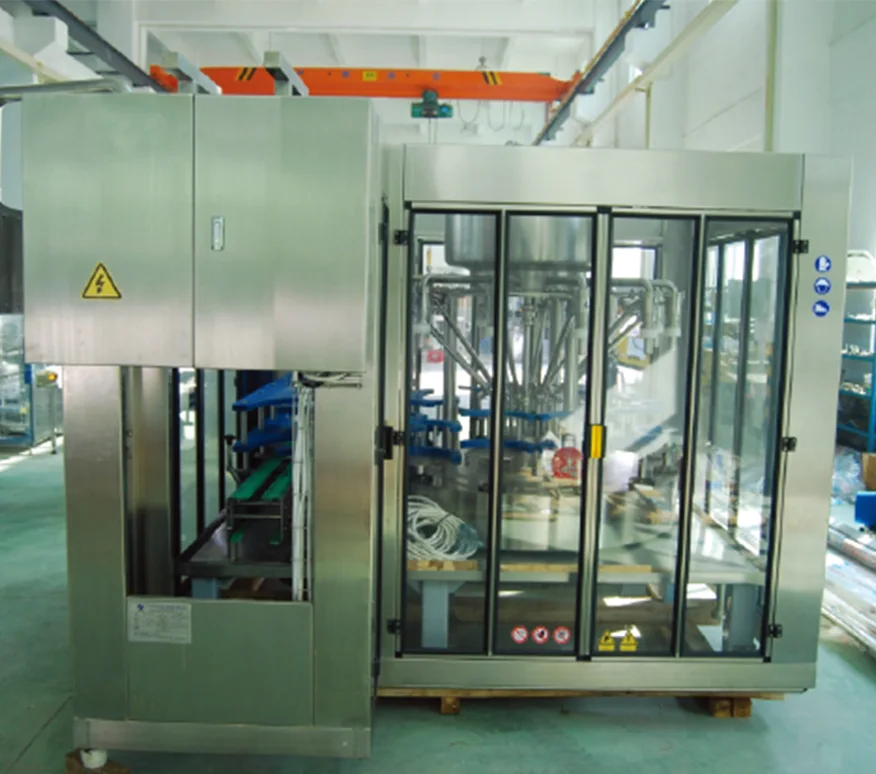
What does your return stream actually contain?
Collect examples across more than one delivery day or return route. Record the jug supplier, neck drawing revision if known, closure design, and whether a tamper band or other visible piece is still attached. Count the jugs arriving uncapped as their own group. Keep a photograph of each example as received. If samples must be cleaned for shipment, keep the arrival photographs and tell the supplier what was done before the trial.
For each group, say whether the plant expects the machine to remove the cap, let an already open jug continue, or divert that return for a separate decision. A crushed jug and an intact jug carrying the wrong closure may need different destinations. Define these destinations with the people who handle returned empties. Keep unknown containers separate until the supplier and plant have agreed how they will be handled in a controlled trial.
Where does the cap puller’s responsibility end?
Mark three points on the proposed layout: where the capped return is presented, where the open jug is handed to the next machine, and where the discarded cap is collected. Ask who supplies the infeed guides, the transfer between machines and the collection container. Write down how a full collection container or a stopped downstream washer will be handled. These questions identify items that can disappear between two suppliers’ offers even when each offer says “automatic.”
Request a close view of the jug mouth before and after removal, plus a wider view that follows the jug to its handoff. A cap leaving the frame does not show where it landed. A jug leaving the station does not establish whether it should proceed to washing. Ask the supplier to show the agreed outcome for an open return and for a closure outside the agreed range as well as for the usual cap.
What belongs on the trial sheet?
Use a single sheet shared by the buyer and supplier. Assign sample IDs before the trial and tie each record to the jug and cap combination. Choose the number and mix of samples together. The following fields make it possible to investigate a disagreement without relying on anyone’s memory.
- Sample identity — Record the jug, closure, as-received condition and sample lot. Keep one identified matching sample for comparison if available.
- Expected route — Mark remove, pass open or set aside before testing. Record the route actually taken and where the jug was observed.
- Neck and closure condition — Use the agreed inspection method before and after removal. Record visible marks, pieces still attached, and anything found inside the mouth.
- Removed material — Identify the collection point. Account for loose caps and fragments separately where applicable and photograph unexplained material.
- Stops and interventions — Record when the stop began, the reason given, the affected sample IDs and when acceptable handoff resumed.
How do you interpret the counts?
Suppose a demonstration starts with 50 identified capped returns, excluding any open jugs or samples already designated for diversion. Of those 50, 46 reach the washer handoff open and meet the agreed inspection criteria. Two arrive open with closure material still attached, one arrives capped and one is set aside with a newly visible mark on its neck. The result is 46 accepted handoffs out of 50 capped returns in this example. Neither the sample count nor the result is an ASG rating or a recommended acceptance limit.
Count open arrivals in a separate pass-through test. Combining easy pass-throughs with capped returns would change the apparent removal result. Also record elapsed time and stops if the quote includes an output commitment. “Jugs presented,” “caps removed,” and “open jugs accepted at the washer” answer different questions. Agree on the denominator, observation point and stop treatment in writing before using any of these numbers to compare offers.
Which details should go into the purchase order?
Attach the dated sample list and the agreed trial sheet to the quotation. If a closure type needs a different part or setting, ask for its identifier, the person responsible for supply, and a way to confirm the change with the actual sample. Ask how replacement wear parts are identified in the spare-parts list. Confirm who provides the drawings and operating instructions for the installation supplied to your site.
Separate a supplier’s works test from a check at your own plant. A standalone test can show how a listed sample was handled. A site check can follow the same sample into the installed washer transfer, using the actual conveyor and collection arrangement. Record differences between the two setups and assign responsibility for any follow-up. A buyer who obtains a video but no identified samples or acceptance criteria will have difficulty deciding whether a later problem repeats the original test condition.
If your fleet contains both container sizes, use the 3- and 5-gallon jug changeover guide to define that separate test. For the cap puller quotation, send the supplier your closure photos, return mix and proposed handoff drawing. Ask for an itemized scope and a trial against those materials so each bid can be reviewed against the same requirement.
Common procurement questions
Is a photograph of a closed jug enough to start?
A photograph can identify a candidate closure and show how it arrived. For acceptance, pair it with an identifiable physical sample, an agreed neck inspection and a record of the destination of the jug and removed material. Share the drawing revision when available.
Should already open jugs count toward removal output?
Record them separately. They can demonstrate how the station handles open returns in the agreed configuration. A purchased removal duty needs a count of capped inputs and accepted open handoffs, with stops and exceptions recorded against the same run.
Does automatic cap removal include washing the jug?
Ask the supplier to list both duties and the transfer between them. The TXG catalogue names the cap puller and the barrel scrubber separately. A cap-removal demonstration establishes only the agreed removal and handoff result. Washing requires its own scope and acceptance evidence.
What happens if the cap supplier changes after purchase?
Keep the approved closure sample, its identification, and a copy of the signed trial sheet. Send the new closure and its drawing for review and agree on a repeat test with representative returns before changing the approved sample list. Record who accepted the new result and on what date.