
Qualify the closure supply before signing off a Combi capping proposal. Send the supplier your actual cap specification and representative lots, then ask it to identify the path from the delivered caps to the capping station. Agree what will be measured along that path and which parts of it are included in the quotation.
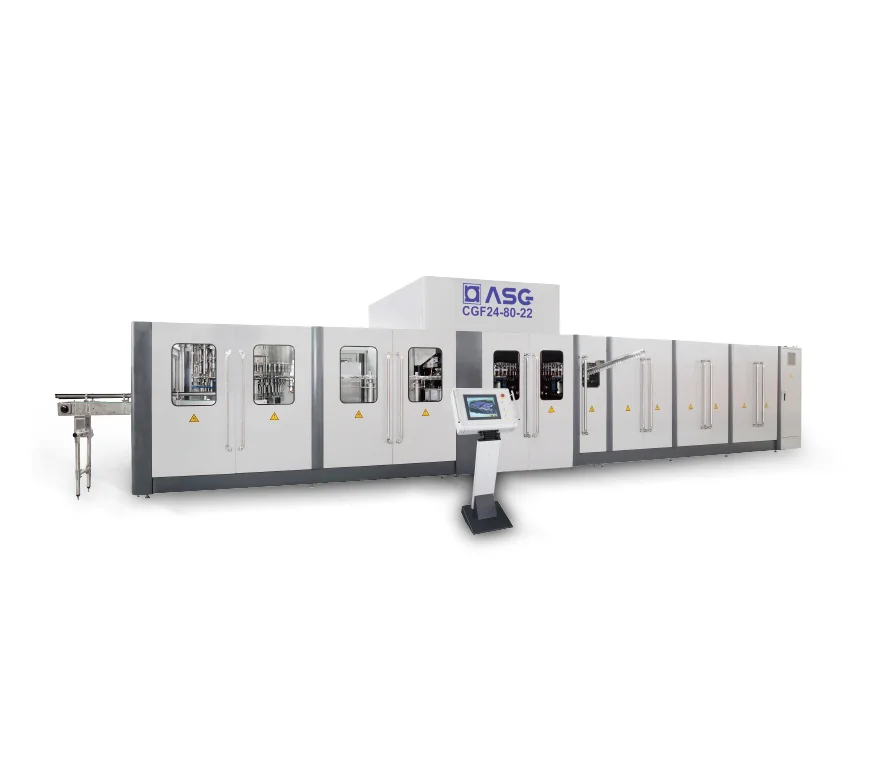
Jiangsu ASG Packaging Machinery Group lists the CGF series as a system that integrates bottle blowing, filling and capping. Use that product description to identify the equipment family. Ask ASG to specify the closure feed arrangement and acceptance conditions for your project.
Identify the cap lot behind each trial
Supply the closure drawing and its revision, the matching bottle neck finish, the cap supplier and the lot identifiers. Describe how caps arrive, such as the package type and whether the caps are supplied loose. Include the relevant handling and storage instructions from the closure supplier.
Ask whether the proposal is expected to handle more than one approved cap supplier or variant. Agree which lots to demonstrate and record which were actually used. If only a single lot is available, keep the other lots open as items to confirm instead of extending acceptance to them.
Mark the supply boundary on the layout
Ask for a layout with the agreed point where caps enter the proposed equipment and the point where they are presented for capping. Have the supplier identify any proposed loading, sorting or orientation, transfer and inspection steps. List the equipment, interfaces and access provisions included in the offer, and assign responsibility for the remaining scope.
If the layout includes a way to return or remove caps, ask where those caps go and how their lot is recorded. Agree who can decide whether they are used again, quarantined or discarded under the site's approved procedures. A drawing should make those paths clear before the trial.
Agree what counts as a feeding fault
Specify the cap lot, bottle and operating conditions for the demonstration. Agree a duration or quantity and the points where samples can be safely taken under the supplier's approved procedure. Ask the trial team to record the point and circumstances of each feeding fault and the quantity observed.
Separate interruptions in cap supply, caps presented in the wrong orientation and visible damage from faults found only on capped bottles. This helps the team decide where to investigate. Any proposed pass limit needs a defined basis, such as caps fed during the stated observation period or capped bottles actually sampled.
Keep feed and seal evidence separate
Ask the closure supplier and the equipment supplier to agree the checks and limits for the final capped bottle. Depending on the closure and application, buyers may request seating, tamper evidence, opening torque or leak checks. Record the approved method, samples and results for each applicable check.
Document any adjustments and the conditions for a repeat trial. If a cap lot or setting changes, record the change and repeat the affected checks as agreed. The acceptance record should show whether the closure feed and capped bottle met their respective criteria under the same stated conditions.
Put the trial record in the quotation package
- Record the closure drawing revision, matching neck finish, supplier, lot and delivery package.
- Show supply and handover points, included equipment, the proposed return or reject path and responsible parties on the feed layout.
- Keep conditions, sample points, fault counts with their measurement basis and separate capped bottle results in the acceptance record.
- List untested lots or variants, unresolved faults, actions and any repeat trial conditions.
Send that package with your enquiry so the scope and acceptance discussion starts with the materials you intend to run.
ASG product reference for the CGF Combi system
Review the CGF blow, fill and cap equipment
Review the bottled water project options