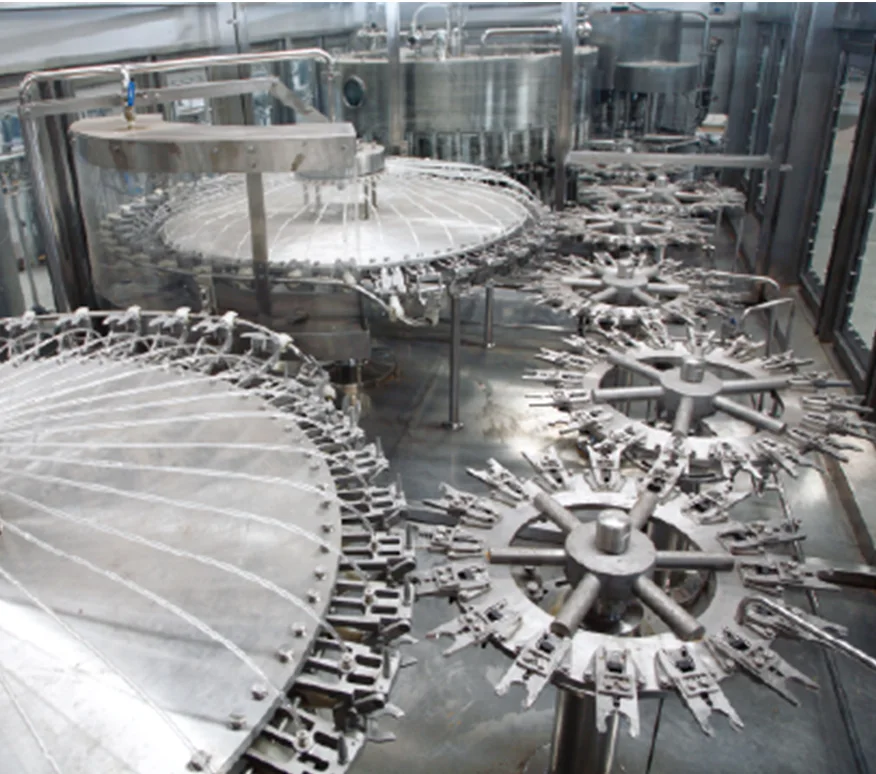

Start a 5-gallon water business by mapping how filled jugs reach customers and how empty jugs come back. Estimate how many usable containers you need in circulation, how many dirty returns arrive during the busiest hour, and how many filled jugs must pass inspection before dispatch. Use those three figures to size the site and request a quote for a 5-gallon water filling line.
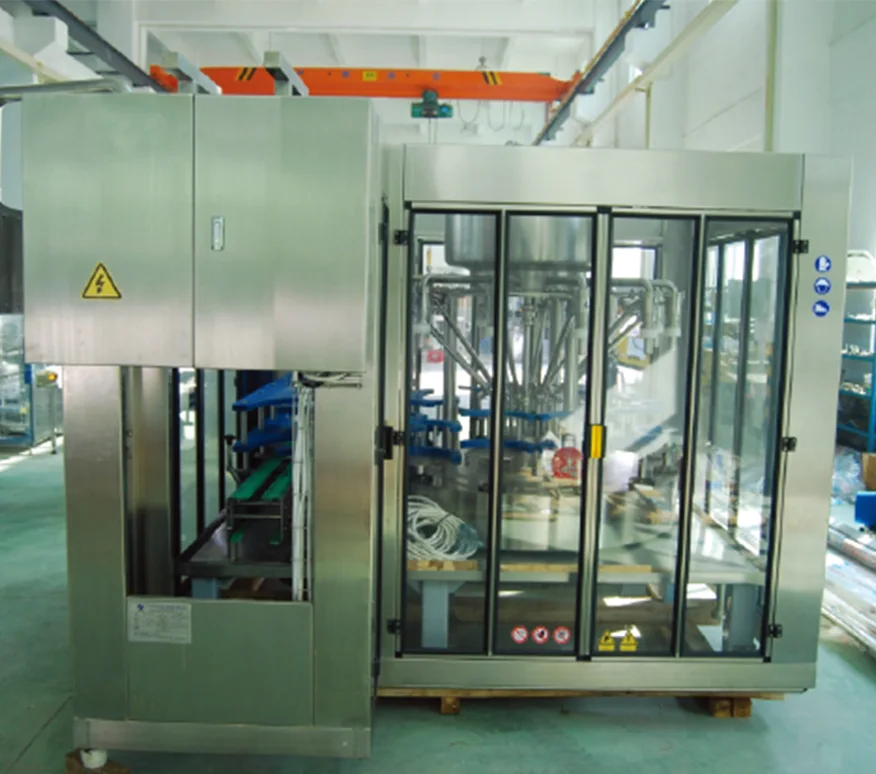
Follow one jug from dispatch back to the filler
Draw the route from filled-jug storage to the customer, then back through collection, receiving, inspection, washing, filling and capping. Mark where the jug changes hands and who records that handoff. A business serving homes or offices on delivery routes may have empty jugs away from the plant for several days. Returns may come back in batches when vehicles finish their rounds. Write down the normal time away and the latest point in the day at which a return can enter the next production run.
Give dirty returns their own receiving area on the layout. Identify space for inspection and holds, for empty jugs accepted for washing, and for those removed from circulation. Ask your site and quality teams to define acceptance criteria using the actual container. Damage, an uncertain history or unexpected contamination needs a documented decision before a jug goes to washing. Agree who makes that decision, where a questionable jug is held and how that hold appears in the daily count.
Estimate the jug pool and the peak return load separately
Use the average number of jugs you expect to dispatch per operating day and the average time a jug spends between dispatch and being available to fill again. Multiplying the two gives a starting estimate for the jugs tied up in circulation. Count time with customers, in vehicles and waiting at the plant in the same units. Build additional stock separately for demand variability, replacements and stock already filled for dispatch. Use your own return records or a pilot route to adjust the estimate as those numbers become available.
Consider a fictional operation dispatching 480 jugs per operating day. With a four-operating-day round trip, about 1,920 jugs are tied up in the loop before any extra stock. If some customers hold jugs for six operating days, the four-day estimate may still describe the average, but a route or customer breakdown can expose days when empties run short. Ask who owns replacement stock, how quickly new jugs can arrive, and how you will track losses, breakage and returns that never come back.
Now size the inspection workload. If 8% of incoming jugs are rejected and returned jugs supply the entire day’s production, divide 480 by 0.92 and round up. That gives a planning estimate of 522 incoming jugs to inspect, before accounting for any losses after receiving. If 150 jugs arrive in the same hour, check how much receiving and inspection can handle during that hour and how many jugs need temporary holding space. The average daily return count does not answer the peak-hour question. These figures illustrate the calculation only. They are neither ASG equipment ratings nor results from a customer installation.
Keep a daily reconciliation of empty returns, accepted empty jugs, incoming new jugs and rejects. Separately record what entered washing, what reached filling and what passed the final checks. A drop in saleable output could come from fewer usable jugs arriving, a delay in water supply, a stoppage on the line or a hold at dispatch. Keeping the counts at each boundary helps you decide which capacity to add.
Check treated water, space and the staffing plan
Have your site team assess the raw water and document the finished-water requirements before selecting a treatment train. Agree where treated water enters the filler, what supply conditions the filler needs and who supplies storage and connections. Ask which water users share that supply, including any part of washing or rinsing that the design assigns to it. Use those requirements to discuss water treatment, drainage and other plant utilities with the equipment supplier and the responsible site specialists.
Mark clean and dirty movement on the same plan. Include the route from unloading through inspection and the route from the filler through finished-jug storage and dispatch. Check whether a peak return delivery would block access for the team handling clean containers. Keep space for opening machine guards, servicing equipment and removing components. Have the site team confirm applicable requirements for the location and operating plan. Specify the actual jug volume and drawings, especially when comparing 5 US gallon containers with jugs sold as 20 liters.
Turn the operating plan into a machine quote
Jiangsu ASG Packaging Machinery Group lists the TXG series for 3- and 5-gallon water production. The manufacturer’s equipment description lists cap pulling, internal and external scrubbing, cap elevation and heat shrinking among configurable options. Ask ASG to identify which options are in the proposed configuration and how each handoff works with your samples. Start with the 5-gallon water filling machine selection page and the ASG TXG 3- and 5-gallon water line.
Give each bidder the same worksheet. Price differences can come from what is included in the offer, who supplies conveyors or rack handling, and how much installation, training and support are in scope. Use the same accepted-output test boundary to compare offers. For additional scope questions, see the water filling machine quote and cost guide.
| Planning item | Record before you request a quote | Agree who verifies it |
|---|---|---|
| Customer demand and return cycle | Saleable jugs needed by dispatch window, days away from the plant and replacement-stock plan. | Operations checks a route schedule or early return data. |
| Receiving and reject handling | Peak dirty returns per hour, inspection method, hold space and reject disposition. | The plant and quality teams verify sample handling and the proposed layout. |
| Water and utilities | Raw-water analysis, finished-water requirements, treated-water delivery point and proposed site utilities. | The site team and suppliers agree their responsibilities at each connection. |
| Washing, filling and capping | Actual jug and closure samples, included stations, agreed process checks and acceptance criteria. | The buyer and supplier agree the test plan and separately identify site checks. |
| Dispatch, installation and support | Filled-jug handoff, rack or pallet drawings, installation split, training, spare parts and support terms. | The parties mark interfaces on the drawing and in the offer. |
Agree where conforming, capped jugs will be counted, the test duration and which interruptions and rejects are included in the result. Ask for a signed scope and test plan. The factory can demonstrate the agreed equipment under stated test conditions. Reserve any checks that depend on the actual water system, site utilities or downstream handling for site acceptance and assign a responsible party for each one. Ask for the documentation and training your crew will need to repeat the routine checks after handover.
Frequently asked questions
How many reusable jugs should I buy before opening?
Estimate the stock tied up in the return cycle from daily dispatches and round-trip time. Add separately justified stock for variability, losses and filled orders awaiting dispatch. Review assumptions after a pilot route and distinguish reusable empties on site from jugs still with customers.
Can I size a 5-gallon filling machine using my daily sales target?
Use it to determine required accepted output in the time available. For example, 480 accepted jugs in four available production hours averages 120 accepted jugs per hour across that window. This is a planning target. Specify how stops and rejects count in the test, and check receiving, washing and dispatch capacity separately.
Do I need automatic rack loading at launch?
Compare your planned dispatch pattern and loaded rack dimensions with the handling method you intend to use. If you want automation, send the rack and jug drawings and ask who supplies the loading equipment, the interface and the acceptance test. Confirm availability and scope in writing.
What if actual returns are more heavily soiled than expected?
Review samples with your quality team and supplier. Define what can enter the agreed wash process and what needs to be rejected or held for review. Recalculate the usable return volume and replacement-stock need with the revised acceptance criteria.
Send ASG your jug and return-loop plan
Share your jug and closure drawings, daily sales target, busiest return hour, inspection and hold plan, water analysis, floor plan and desired dispatch handoff. Ask for the proposed station list, installation and support scope, and an acceptance plan that counts saleable jugs at the agreed point. Discuss your 5-gallon water project with ASG