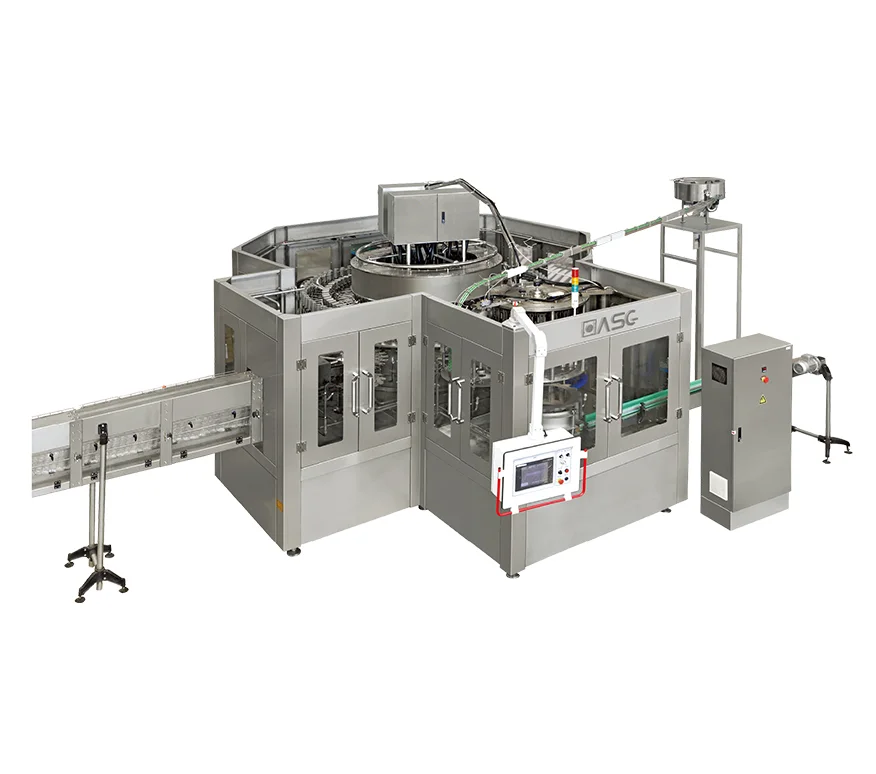

A water filling machine price depends on where the supplier's responsibility starts and ends, which bottle formats must run, and how much saleable output the line must deliver. Compare bids against the same bottle, the same finished-pack target and the same acceptance test. A quote that ends at the capper can leave the buyer paying for integration and packing even when both proposals show the same filler speed.
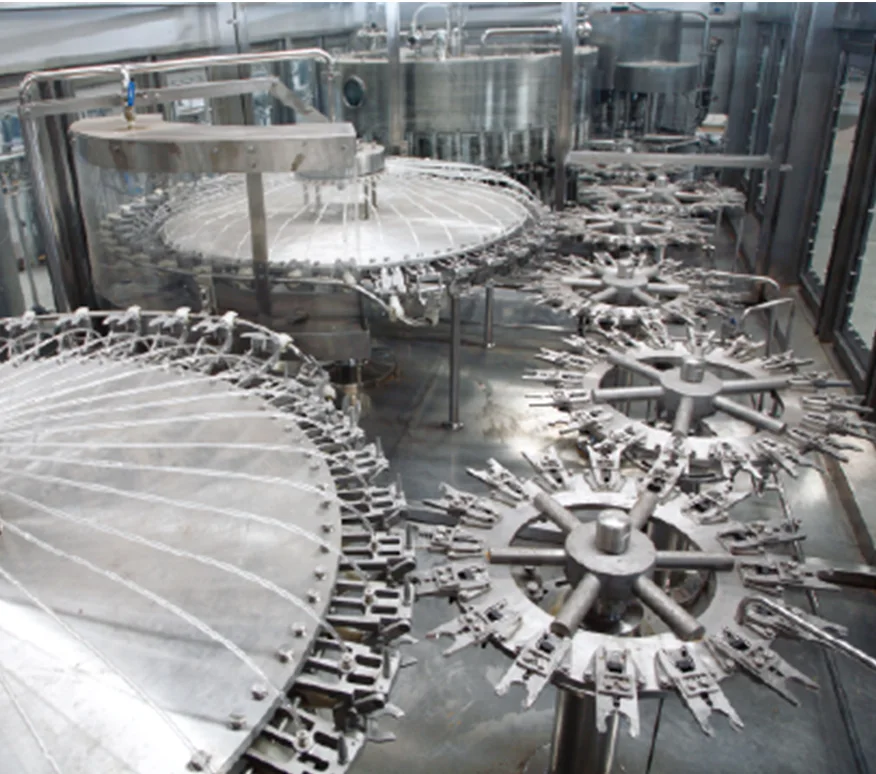
Pick the handover point before asking for a price
Draw the material path through the proposed installation. Start with the package that arrives at the line and end with the package your team can move into storage. Mark whether you are buying the filler for a running plant, adding a filling and packaging section, or asking one supplier to integrate the line. Tell bidders where your existing equipment sits along that path.
For a filler replacement, identify the upstream and downstream machines that will stay in service. A new machine may need to match existing conveyor heights, product piping, electrical signals and start or stop logic. Ask who owns each connection and how the supplier will demonstrate that it works. A quote that leaves integration to the buyer can suit a plant with its own engineering team. Budget the work in a separate column so it appears in the comparison.
For a new water bottling line quotation, decide whether you are providing ready-made bottles or making them from preforms on site. On-site bottle production can add a blower, bottle tooling and separate air and cooling requirements. Compare those interfaces alongside the filler and packing equipment. Review the equipment families before you define the purchasing boundary. Water filling machines and bottling lines
Put each offer on one scope sheet
Give each bidder the same table and ask for a status on every row. Use included, option, buyer supplied or pending confirmation. Where a station is included, request its proposed model or configuration, its output basis and the point where responsibility passes to another party.
| Compare this scope | What to put in the request | What can change the quoted scope |
|---|---|---|
| Water at the filler inlet | Water source, available analysis, required inlet conditions and who provides product treatment | Water treatment, buffer tank, transfer pump and site connections |
| Empty bottles at infeed | Purchased bottles or preforms, bottle drawing, neck finish and delivery condition | Bottle handling or blowing, format tooling and transfer between machines |
| Rinse, fill and cap | Bottle volumes, closure drawings, cap supply format, target running rate per bottle | Rinse arrangement, capping tooling, cap feed and format parts |
| Finished pack | Label, date code, pack count, wrap or carton and the agreed outlet point | Conveyors, inspection, rejection and downstream packing equipment |
| Controls and utilities | Equipment to retain, available utilities and plant integration contacts | Interlocks, wiring, compressed air, cooling and work at existing connections |
| Installation and handover | Installation site, expected supplier attendance, training roles and acceptance evidence | Unloading, mechanical installation, commissioning, training and start-up spares |
Ask the supplier to mark exclusions on the layout as well as the price sheet. If the buyer supplies a conveyor, for example, write down the length or interface specification, the party that supplies the controls handshake and which test will use the actual conveyor. That tells your team what needs a separate budget and who should schedule it.
Calculate what the shift must produce
Work backward from accepted finished packs
Start with the number of accepted bottles or packs needed per shift. Convert packs to bottles using the actual pack count. Subtract planned sanitation, breaks or format changes from the scheduled hours if they stop production. Divide the accepted-bottle target by the resulting running hours. Then check losses separately and ask bidders to state how they expect the line to handle short stops and rejected bottles.
For a planning example, suppose an eight-hour shift must deliver 54,000 accepted bottles and has two hours scheduled for activities that stop production. The available running time is six hours, so the line needs to average 9,000 accepted bottles per running hour at the agreed outlet. If a bidder quotes a filler rated at 12,000 bottles per hour, compare that number with the proposed performance of the cap feed, labeler and packer on your own format. Ask whether the output check covers good bottles at the packer and which stops count against the test window. The example is for planning a bid comparison.
Avoid applying one speed to every bottle in the schedule. Ask for an output basis by bottle and closure combination, including the lowest-rate format or the changeover that consumes the most time. If one format uses a different label or pack count, require the bidder to include its downstream rate. A faster filler can still leave your shift short if the outlet equipment limits the accepted-pack rate.
Treat catalogue output as a model reference
Jiangsu ASG Packaging Machinery Group lists the XGF and XXGF series for non-carbonated drinking water. Its published table gives 12,000 bottles per hour for the X(X)GF24/24/8 model and 24,000 for the X(X)GF50/50/15 model. Use these entries to identify two configurations for discussion. For each, ask the supplier to confirm the proposed bottle format and the test conditions for your project. ASG manufacturer parameter table
Ask for model and scope in the same response. That way, a change from one nominal speed to another shows whether the proposal also changes the cap feeder, conveyor accumulation, labeler or packer. You can then compare the incremental equipment with the accepted output you need. XGF and XXGF equipment details
Separate installation, acceptance and support
Before the equipment ships
Ask for a utilities schedule and layout showing the lines of responsibility for power, water, air, drains and any cooling connection. Assign a party to each installation activity, including unloading, setting machines into position, connecting utilities and supplying production materials for commissioning. If equipment from an existing line is reused, identify which settings or signal definitions must be available before the factory test.
Ask whether factory testing will use your bottles and closures. Specify the formats, expected time at rate, sampling method and acceptable results. A machine can show speed during a short run while the buyer still needs evidence on package quality or repeat starts. If a quality check is outside the test, give it an owner and move it explicitly to the site acceptance plan. Guide to checking net fill quantity during acceptance
After the equipment arrives
Ask the proposal to describe commissioning tasks, training by role, documentation handover and the contact path for technical support. Identify start-up spares, format-change parts and recommended operating spares in separate rows. Request the warranty start event, coverage and exclusions in the quotation. Ask which tasks require a site visit, which can be handled remotely, and what labor or travel is included. The answers let you separate recurring ownership costs from the initial machine scope without assuming any service is included.
FAQ
Can I get a reliable quote using bottles per hour alone?
Use a speed target to start the conversation. Add bottle drawings, cap details, format mix, water conditions and the requested handover point before using the quote for a purchase decision. Ask bidders for the output they propose to demonstrate on each named format and whether the count is measured at the filler or at the finished-pack outlet.
Why can two quotes for a three-in-one filler differ?
A rinse-fill-cap configuration describes the operations combined in the machine. The quotes can still differ in feed equipment, format parts, controls, the agreed test or the installation scope. Compare those rows one by one. Ask the bidder to quote any required item it has listed as optional and confirm the rate after that item is included.
When does a complete line make more sense than a filler replacement?
Consider a full-line proposal when several stations are new or the handover between stations is a major project risk. For a replacement, retaining sound upstream and downstream equipment can make a narrower quote appropriate if the interfaces and ownership are explicit. Ask for a scope that uses the existing assets where practical and a written comparison if both approaches are feasible.
What should I send to get comparable bids?
Send a bottle and closure drawing or sample for each format, the product-water conditions, the accepted output target per shift, the finished pack specification and the site layout. Identify equipment you intend to keep. Request separate lines for options, site work and acceptance conditions, with each unconfirmed interface marked for review.
Request a quote against your own line scope
Send ASG the scope sheet, the bottle and closure list, the shift target and your preferred handover point. Ask for the proposed configuration, included stations, site responsibilities and test conditions in one reply so you can compare the equipment and the installed project on the same basis. Request a water filling quotation