
Choose a linear or rotary PET blow molding machine by comparing proposals on the same bottle and preform. Ask each supplier to show how the molds are arranged, where operators can reach and remove tooling, and how many acceptable empty bottles pass the same discharge point during an agreed test. Those checks are more useful than a general speed claim about either machine type.
What are you comparing when you compare linear and rotary blow molding?
In a linear arrangement, molds are arranged in a line and a group of preforms can be handled in a cycle. In a rotary arrangement, blowing stations are arranged around a rotating wheel. Both can make PET bottles by heating and stretch blowing preforms. The machine arrangement changes what you should ask to see on the layout, especially how preforms enter, where formed bottles leave, and how the crew gets to the tooling. The quote should explain how the specific model handles those tasks.
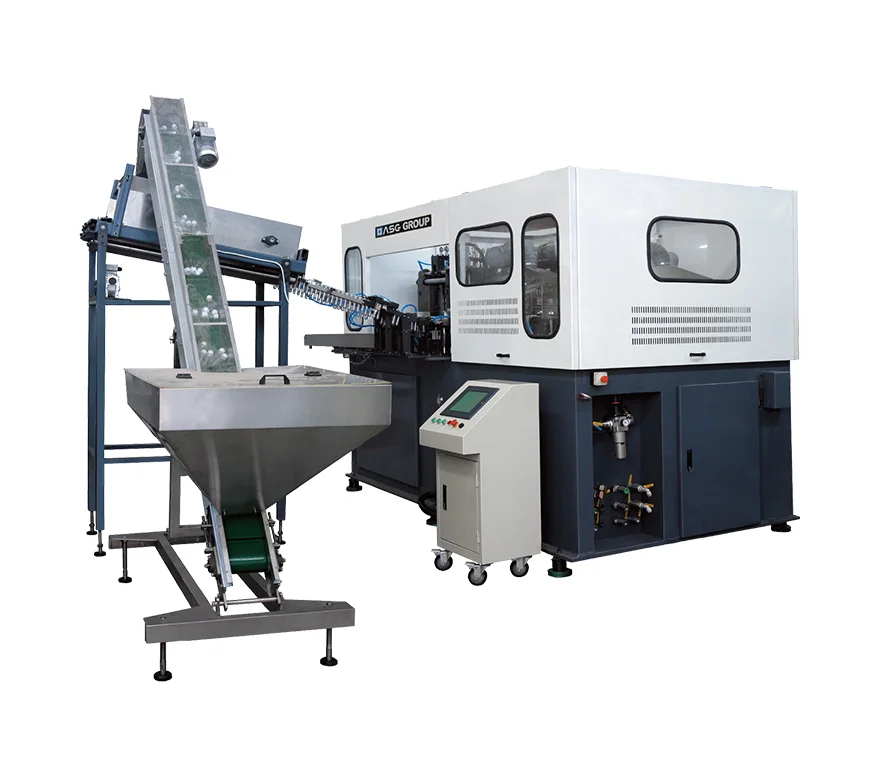
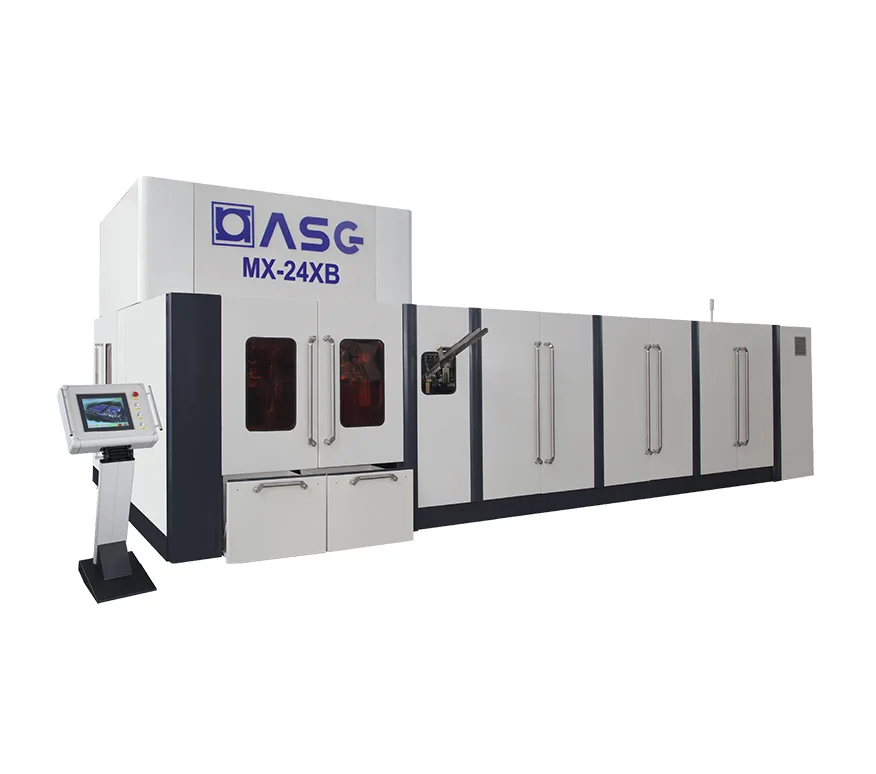
Jiangsu ASG Packaging Machinery Group lists the SY Series as a linear bottle blowing machine and the MX Series as a rotary bottle blowing machine. Start with the published descriptions for ASG SY linear equipment and ASG MX rotary equipment. Ask ASG which model and tooling it would propose for your bottle, and request the layout and trial conditions for that proposal. A catalogue photo identifies the equipment family and can help locate visible assemblies. Dimensions, operating clearances and the scope of delivery come from the project documents.
Compare one reference format first
Select a bottle that matters to your schedule and that both suppliers can assess. Send both the same revision of the finished bottle drawing and the corresponding preform drawing. Include the intended application, the neck finish, and the measurements you will use to accept an empty bottle. Supply the same sample information and identify who will provide actual preforms and agreed tooling for the trial.
If your project has several formats, use the reference bottle to make the two equipment offers comparable. Then request a separate assessment for any format likely to need different handling, tooling or inspection. A result on the reference format only establishes what was demonstrated on that format. Ask each supplier to state which other formats it can quote, which parts would change, and which measurements or samples are still needed. Request the same terms for both quotes.
Check the equipment layout with the team that will use it
Ask for a drawing that marks the outside of the machine, the preform inlet, the formed-bottle outlet and the direction of transfer. Put that drawing on your plant plan alongside any existing conveyor and the space needed to use doors, walk around equipment and move tooling. Have the supplier draw the route for taking the largest tooling component out of the machine and moving it to the point where your team would work on it.
If you are replacing a blower beside an existing filler, ask each supplier to show where its outlet would meet your equipment. Agree the transfer height and orientation, ownership of any connecting equipment and who will check the handoff. If this is a new line, mark that same point even if the downstream conveyor is in the same order. That gives both bids a common place to count and inspect empty bottles. Ask who provides any parts or tools needed for routine access and whether they are listed in the base quote.
| Compare this item | Request this evidence from both suppliers |
|---|---|
| Reference bottle and preform | Drawing revisions, sample identification, and a list of the measurements that determine a pass. |
| Mold and transfer layout | A marked drawing showing the proposed mold arrangement, preform path, bottle outlet, and receiving equipment boundary. |
| Working and tool-removal space | Access on the operating and service sides, door swing, tool withdrawal route, and any handling equipment required. |
| Quoted scope | An itemized list of the first mold, any extra molds, handling parts, transfer equipment, and services provided by each party. |
| Acceptance boundary | The empty-bottle count location, agreed run duration, treatment of rejects and stops, and sample inspection record. |
Define acceptable output at the blower discharge
Put the counting point on the drawing. For a standalone blower, it can be the place where empty bottles leave the agreed equipment package. Agree when the test starts, how long it runs and whether the measured interval includes interruptions. Record the elapsed time, total bottles crossing the point, rejects in scope and the accepted count. If the supplier removes rejects before the point where you count, say so in the test plan and request the separate reject record. This avoids subtracting a reject twice or treating a bottle counted at the outlet as automatically acceptable.
Choose bottle checks appropriate to the format and project. For example, buyers can ask for sample identification, dimensions agreed on the drawing and a method for recording visual defects. Where the mold arrangement makes cavity tracking useful, agree how the supplier will identify samples and keep the result tied to the trial. Use the bottle blowing cavity and sample traceability guide to prepare that part of the test.
Ask the supplier to report observed results and identify any trial conditions that differ from the proposed installation. A temporary outlet, substitute preform or simulated downstream signal can still demonstrate a limited part of the scope. Mark what was demonstrated and name the checks to repeat during site acceptance. If the project needs a reliable changeover estimate, define when timing starts and ends and ask whether the factory trial can include the actual second format, tooling and operators.
Compare the cost of the same scope
Ask for an itemized quote so your team can price any work needed outside the blower package. Put common items in the same columns for both bids. Show base equipment, tooling and format parts, equipment at the transfer point, site installation work and training. Ask for written terms covering spare parts, troubleshooting and what the supplier expects your team to provide for commissioning. Check available floor and service access against the drawing before treating an installation item as resolved.
A purchase decision can change when a bid needs an additional conveyor, a different tool handling arrangement or extra site work. Use quantities and responsibilities established for the project. Keep purchase price separate from proposed run conditions and maintenance assumptions, and ask for supporting evidence if operating costs matter to the decision.
Frequently asked questions
Is a rotary blower always the faster choice?
Compare the output and acceptance conditions of the two proposed models for the same reference bottle. Ask for the agreed count and inspection record at the same discharge boundary. A statement about the architecture leaves the actual bottle, model and test conditions open.
What if my bottle is larger or shaped differently than the supplier's sample?
Send the production drawing and intended preform. Ask the supplier to confirm the proposed mold, handling path and what can be demonstrated on a sample run. Keep results on a substitute bottle separate from acceptance of your actual format.
Can I compare the quoted footprint from the catalogue?
Use the proposed model drawing and include the operational space around it. Mark door openings, tooling removal, transfer equipment and access for servicing. Compare both layouts against the same plant plan.
What should be checked at installation if the downstream filler is unavailable at the factory?
Agree what the factory trial can show at the empty-bottle discharge. Put the real conveyor connection and operating signals into the site acceptance checklist. Record who is responsible for the connection and the conditions for accepting the handoff.
Send ASG a reference bottle and a plant plan
Share your bottle and preform drawings, target accepted output, current equipment or new line plan, changeover list and the position where you want to receive empty bottles. Ask for an equipment recommendation, a marked layout and a proposed test for the same reference format. Discuss your PET bottle blowing project with ASG